
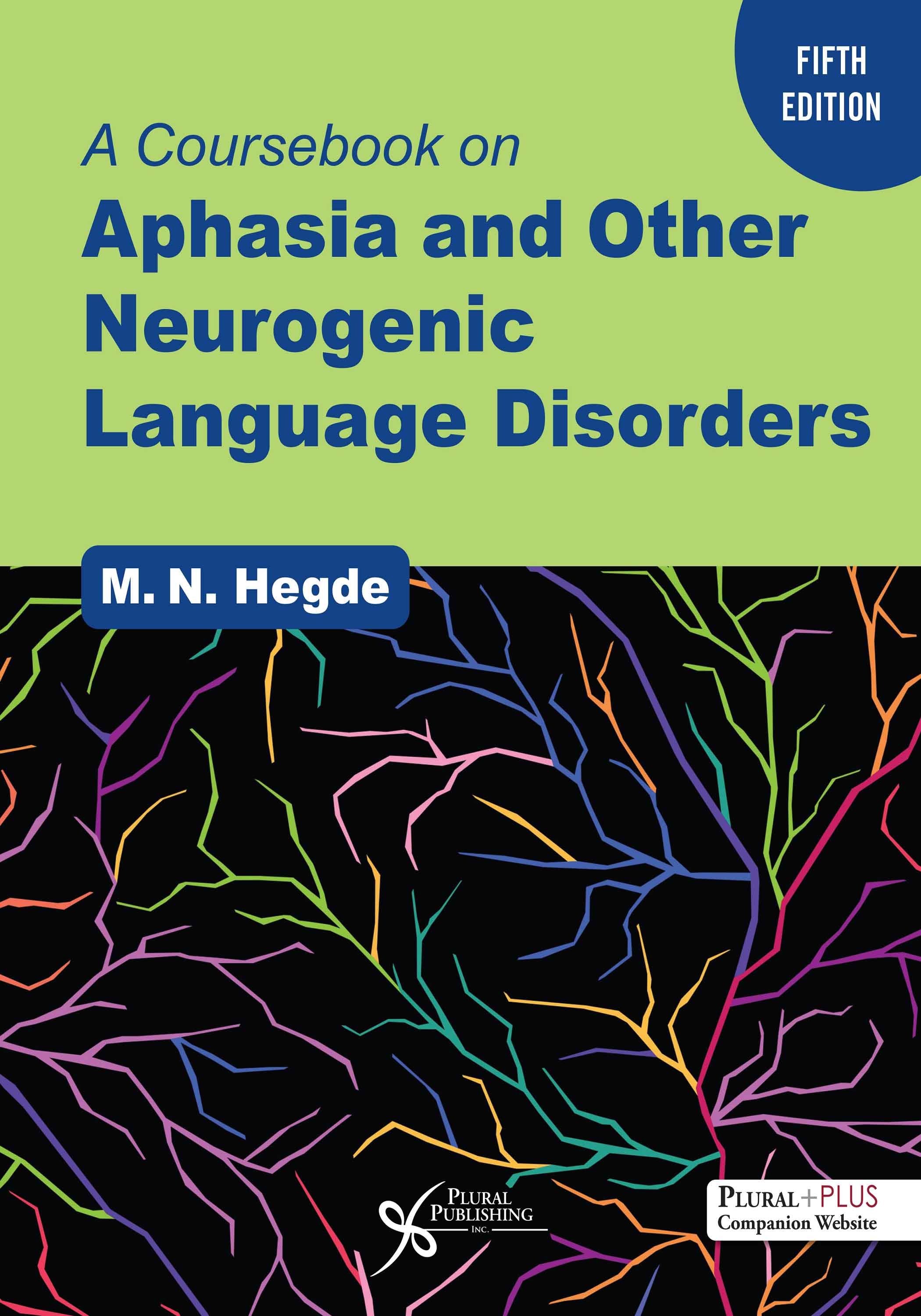
A Coursebook on Aphasia and Other Neurogenic Language Disorders
Fifth Edition
M.N. Hegde
Details: 426 pages, B&W, Spiral, 8.5" x 11"
ISBN13: 978-1-63550-422-4
© 2024 | Available
For Instructors
Purchase
An innovative textbook and course notebook in one resource!
A Coursebook on Aphasia and Other Neurogenic Language Disorders, Fifth Edition is a textbook for courses in aphasia and other neurogenic communication disorders. It is organized in a unique and interactive “coursebook” format that divides pages into columns with written information next to columns with space for note taking. This allows instructors to make lecture notes and students to write class notes on the right half of each page of the text.
The Coursebook offers a comprehensive description and critical review of basic and applied research on aphasia, right hemisphere disorder (RHD), traumatic brain injury (TBI), and dementia—the four major language and communication disorders associated with neurological pathologies. The relationship between the brain and language, major features of aphasia and other disorders, their assessment, and treatment have been described in streamlined and clinician-friendly language. Critical review of theories, assessment, and treatment research helps speech-language pathologists distinguish valid from the questionable in the professional and scientific literature. All assessment and treatment chapters give an outline of comprehensive and practical procedures, integrating current practices that clinicians might readily use.
New to the Fifth Edition
- Part I has been restructured under the heading, “Brain and Language” to describe the neuroanatomical bases of language and language impairments associated with neuropathological variables. The chapter on neurodiagnostics has been updated to include a variety of surgical, radiological, and imaging procedures that help students understand the relationship between the brain structure and function and their involvement in language production and comprehension.
- Part II has been reorganized into three chapters on aphasia. Chapter 3 offers a comprehensive review of aphasia prevalence, definition, and classification. Newer perspectives on intraoperative cortical brain mapping and alternative classification of aphasia, based on recent research on the dual stream hypotheses related to brain and language, have been reviewed with critical evaluation to help clinicians. Chapters 4 and 5 on assessment and treatment of aphasia offer a more comprehensive review of established and newer procedures. The chapter on treatment is expanded to include telerehab, drug treatment, brain stimulation, and technologically-based interventions. All major language intervention techniques are reviewed with outlined recommendations for clinicians.
- Part III on RHD consists of two revised chapters reflecting current terminology, research, and clinical practice issues. Sections on neglect, deficit awareness, social communication, and abstract language intervention have been updated.
- Part IV offers the most recent research on TBI rehabilitation. Research on teaching compensatory strategies, group therapy, and community reentry has been updated with clinical recommendations.
- Part V’s two chapters on dementia include new information on changing incidence and prevalence patterns of dementia, infectious and rapidly progressive dementias, frontotemporal dementias, primary progressive aphasias, and HIV-associated neurocognitive disorders.
- In addition to the above content updates, customizable PowerPoint lecture slides for instructors and color versions of some of the figures are available on a PluralPlus companion website.
- Preface to the Fifth Edition
- About the Author
- PART 1: Brain and Language
- Chapter 1: Overview of Neuroanatomy and Neurophysiology
- The Human Nervous System
- Neurons and Nerves
- The Peripheral Nervous System (PNS)
- The Central Nervous System (CNS)
- The Protective Layers of the Brain
- Cerebral Blood Supply
- References
- Chapter 2: Neurodiagnostic Methods and Neuropathology
- Neurodiagnostic Methods
- Pathologies of Neurologically Based Communication Disorders
- References
- Chapter 2: Neurodiagnostic Methods and Neuropathology
- Chapter 1: Overview of Neuroanatomy and Neurophysiology
- PART 1: Brain and Language
- PART II: Aphasia
- Chapter 3: Aphasia: Prevalence, Definition, and Classification
- Prevalence of Aphasia and Associated Diseases
- Definitions of Aphasia
- Limitations of the Classic Aphasia Classification
- Alternative Aphasia Classifications
- General Evaluation of Aphasia Classification
- Overview of Aphasia Symptoms
- Nonfluent Aphasias
- Fluent Aphasias
- References
- Chapter 4: Assessment of Aphasia
- Overview of Assessment
- Screening for Aphasia
- Diagnostic Assessment of Aphasia
- Assessment of Functional Communication and Quality of Life
- Assessment of Bilingual and Ethnoculturally Varied Individuals
- Diagnostic Assessment Summary
- Differential Diagnosis
- References
- Chapter 5: Treatment of Aphasia
- Behavioral Treatment of Aphasia is Effective
- Generalization and Maintenance Are Still Problems
- Most Treatment Programs Are Partial
- Treatment of Auditory Comprehension Problems
- Treatment of Verbal Expression
- Social Approaches to Aphasia Rehabilitation
- Treatment of Reading and Writing Problems
- Group Treatment for People With Aphasia
- Virtual Reality Therapy
- Telerehabilitation for Aphasia
- Augmentative and Alternative Communication
- Medical Treatment of Persons With Aphasia
- References
- Chapter 3: Aphasia: Prevalence, Definition, and Classification
- PART III: Right Hemisphere Disorder
- Chapter 6: Right Hemisphere Disorder
- Hemispheric Asymmetry
- Right Hemisphere Functions
- Neuropathology of Right Hemisphere Disorder
- Overview of Right Hemisphere Disorder
- References
- Chapter 7: Assessment and Treatment of Right Hemisphere Disorder
- Initial Screening
- Standardized and Nonstandardized Assessment Tools
- Treatment of Persons With Right Hemisphere Disorder
- Treatment Targets and Strategies
- Social Communication Skills
- Visual Neglect
- Impaired Attention
- Deficit Awareness
- Abstract Language
- Other Communication Disorders
- References
- Chapter 6: Right Hemisphere Disorder
- PART IV: Traumatic Brain Injury
- Chapter 8: Traumatic Brain Injury: Causes and Consequences
- Incidence and Prevalence of TBI
- Common Causes of TBI
- Types of Brain Injuries
- Primary Effects of TBI
- Secondary Effects of TBI
- Variables Related to Recovery
- Neurobehavioral Effects of TBI
- Overview of Communication Disorders in TBI
- Impaired Memory, Thinking, Reasoning, and Planning Skills
- References
- Chapter 9: Assessment and Management of Traumatic Brain Injury
- Overview of Assessment
- Initial Screening
- Diagnostic Assessment
- Assessment of Consciousness and Responsiveness
- Assessment of Memory
- Assessment of Reasoning and Planning Skills
- Assessment of Communication Disorders
- Overview of TBI Treatment Research
- Specific Treatment Targets and Strategies
- Teaching Compensatory Strategies
- Skill Maintenance Program
- Group Therapy
- Promoting Community Reentry
- Cognitive Rehabilitation
- References
- Chapter 8: Traumatic Brain Injury: Causes and Consequences
- PART V: The Dementias
- Chapter 10: The Dementias: Prevalence, Causes, and Types
- Decreasing Incidence and Increasing Prevalence of Dementia
- Prevalence of Dementia in Varied Populations
- What is Dementia?
- Reversible and Rapidly Progressive Dementias
- Dementia of the Alzheimer’s Type
- Vascular Dementia
- Dementia With Lewy Bodies
- Frontotemporal Dementia
- Parkinson’s Disease
- Huntington’s Disease
- HIV-Associated Neurocognitive Disorder
- References
- Chapter 11: Assessment and Management of Persons With Dementia
- Chapter Outline
- Learning Objectives
- Assessment of Dementia
- Clinical Management of Dementia
- Intervention for Communication Deficits
- The Caregiver Program
- References
- Chapter 10: The Dementias: Prevalence, Causes, and Types
- Glossary
- Index
Preface to the Fourth Edition
Part I. Aphasia
Chapter 1. Prevalence, Definition, and Classification of Aphasia
Level 3 Item
Level 4 Item
Level 5 Item
Level 5 Item
Level 4 Item
Level 4 Item
Level 3 Item
Level 3 Item
Chapter 2. Neuroanatomic and Neurophysiological Considerations
Chapter 3. Neurodiagnostic Methods and Neuropathology
Chapter 4. Varieties of Aphasias
Chapter 5. Assessment of Aphasia
Chapter 6. Treatment of Aphasia
Part II. Right Hemisphere Damage
Chapter 7. Right Hemisphere Damage
Chapter 8. Assessment and Treatment of Right Hemisphere Damage
Part III. Traumatic Brain Injury
Chapter 9. Traumatic Brain Injury: Causes and Consequences
Chapter 10. Assessment and Management of Traumatic Brain Injury
Part IV. The Dementias
Chapter 11. The Dementias
Chapter 12. Assessment and Management of Persons With Dementia
Glossary
A Coursebook on Aphasia and Other Neurogenic Language Disorders, Fifth Edition comes with access to supplementary student and instructor resources on a PluralPlus companion website.
The companion website is located at: https://www.pluralpublishing.com/publication/caonld5e
STUDENTS:
The student resources include Color Figures.
To access the student resources, you must register on the companion website and log in using the access code located in the front of your textbook.
INSTRUCTORS:
The instructor resources include PowerPoint Lecture Slides. You will also have access to all of the student resources listed above.
To access the instructor resources, you must contact Plural Publishing, Inc. to be verified as an instructor and receive your access code.
Email: instructormaterials@pluralpublishing.com
Tel: 866-758-7251 (toll free) or 858-492-1555
*Note for students: If you have purchased this textbook used or have rented it, your access code will not work if it was already redeemed by the original buyer of the book. Plural Publishing does not offer replacement access codes for used or rented textbooks.
A Coursebook on Aphasia and Other Neurogenic Language Disorders.
Fourth Edition
M.N. Hegde
Details: 351 pages, B&W, Spiral Bound, 8.5" x 11"
ISBN13: 978-1-94488-309-6
© 2018 | Available
Adult Neurogenic Language Disorders: Assessment and Treatment. A Comprehensive Ethnobiological Approach
Second Edition
Joan C. Payne
Details: 392 pages, B&W, Softcover, 7" x 10"
ISBN13: 978-1-59756-503-5
© 2014 | Available
Cognitive Communication Disorders
Third Edition
Michael L. Kimbarow
Details: 415 pages, B&W, Softcover, 7" x 10"
ISBN13: 978-1-63550-156-8
© 2021 | Available
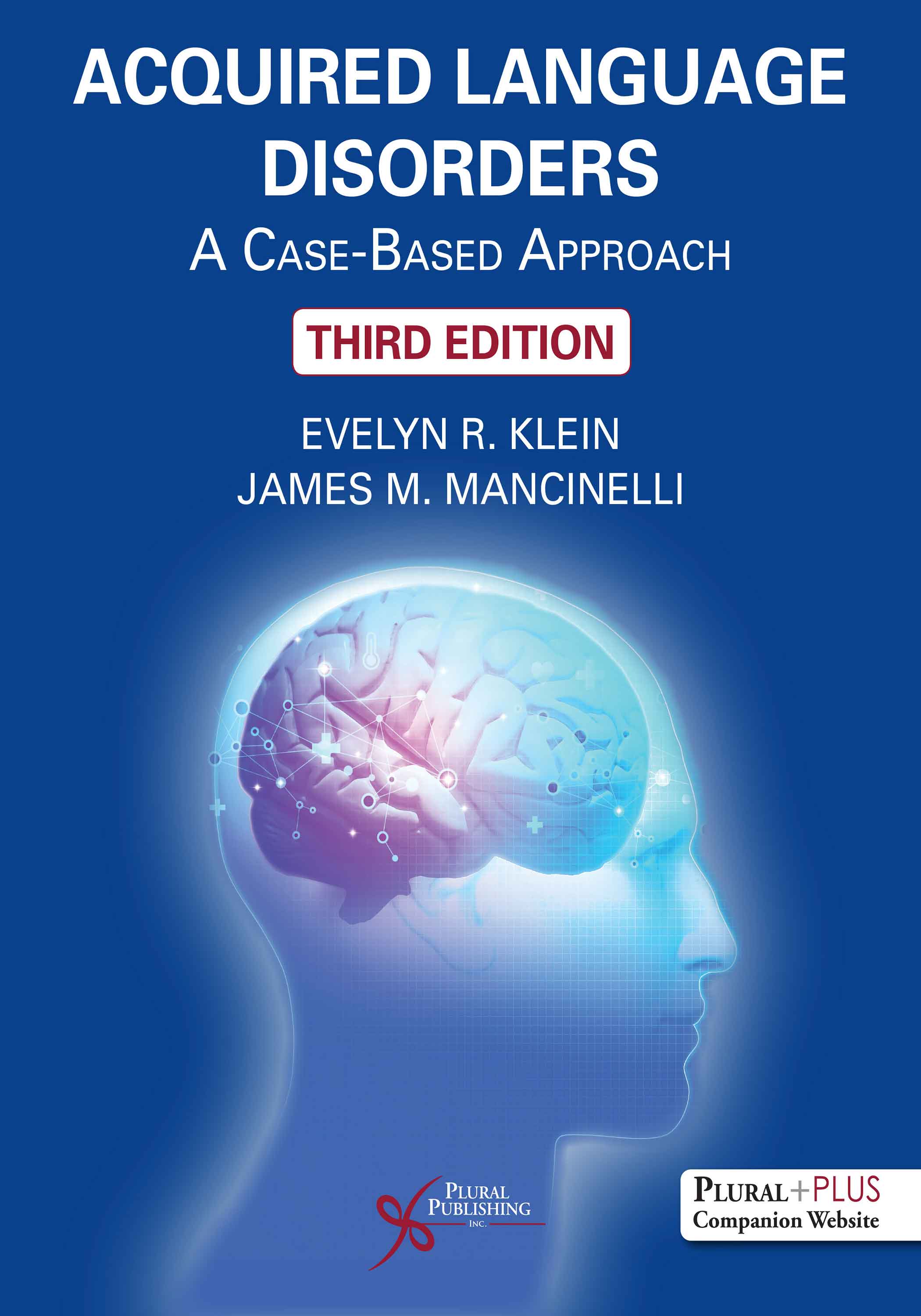
Acquired Language Disorders: A Case-Based Approach
Third Edition
Evelyn R. Klein, James M. Mancinelli
Details: 327 pages, B&W, Softcover, 8.5" x11"
ISBN13: 978-1-63550-097-4
© 2021 | Available
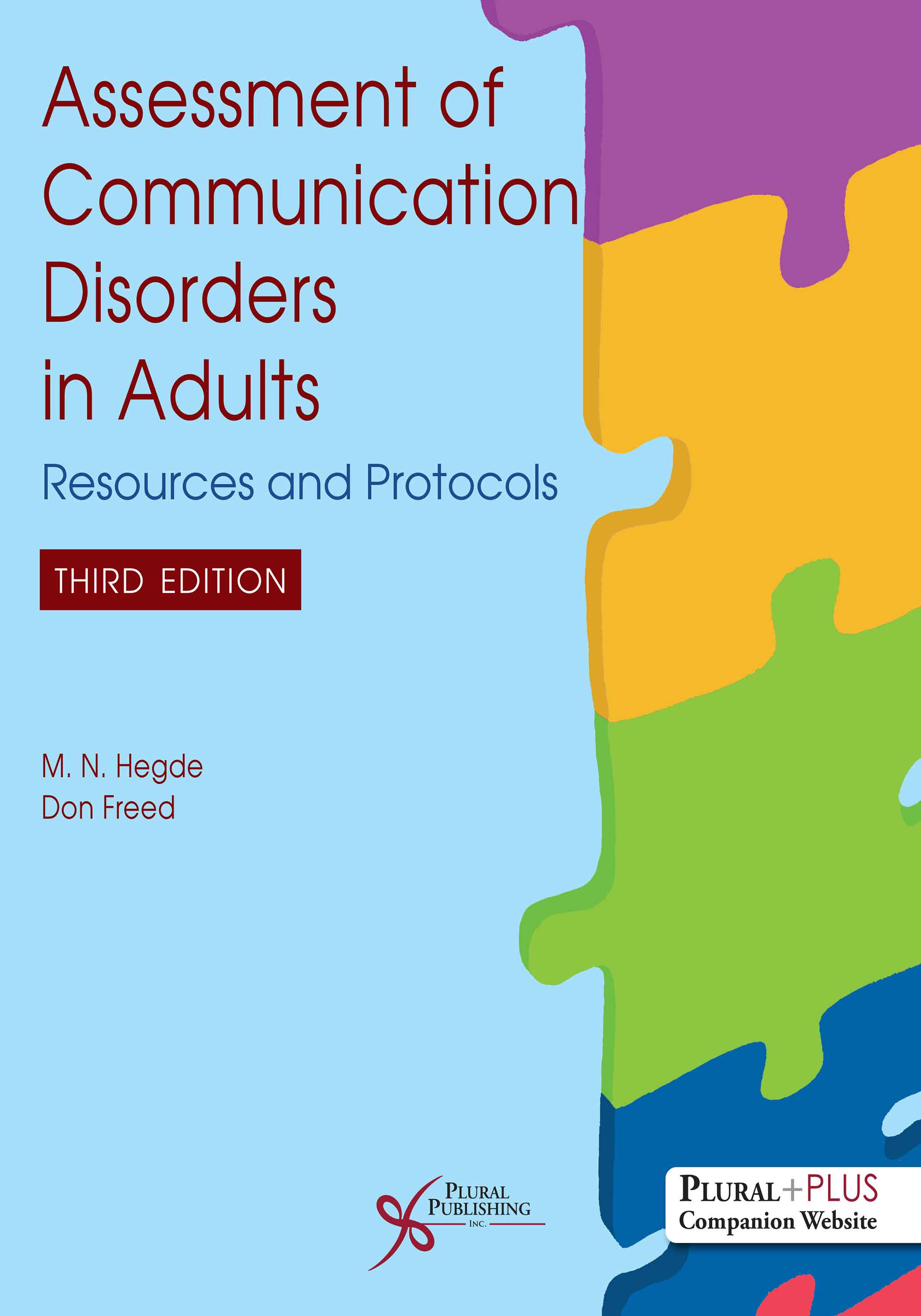
Assessment of Communication Disorders in Adults: Resources and Protocols
Third Edition
M.N. Hegde, Don Freed
Details: 446 pages, B&W, Softcover, 8.5" x 11"
ISBN13: 978-1-63550-263-3
© 2022 | Available
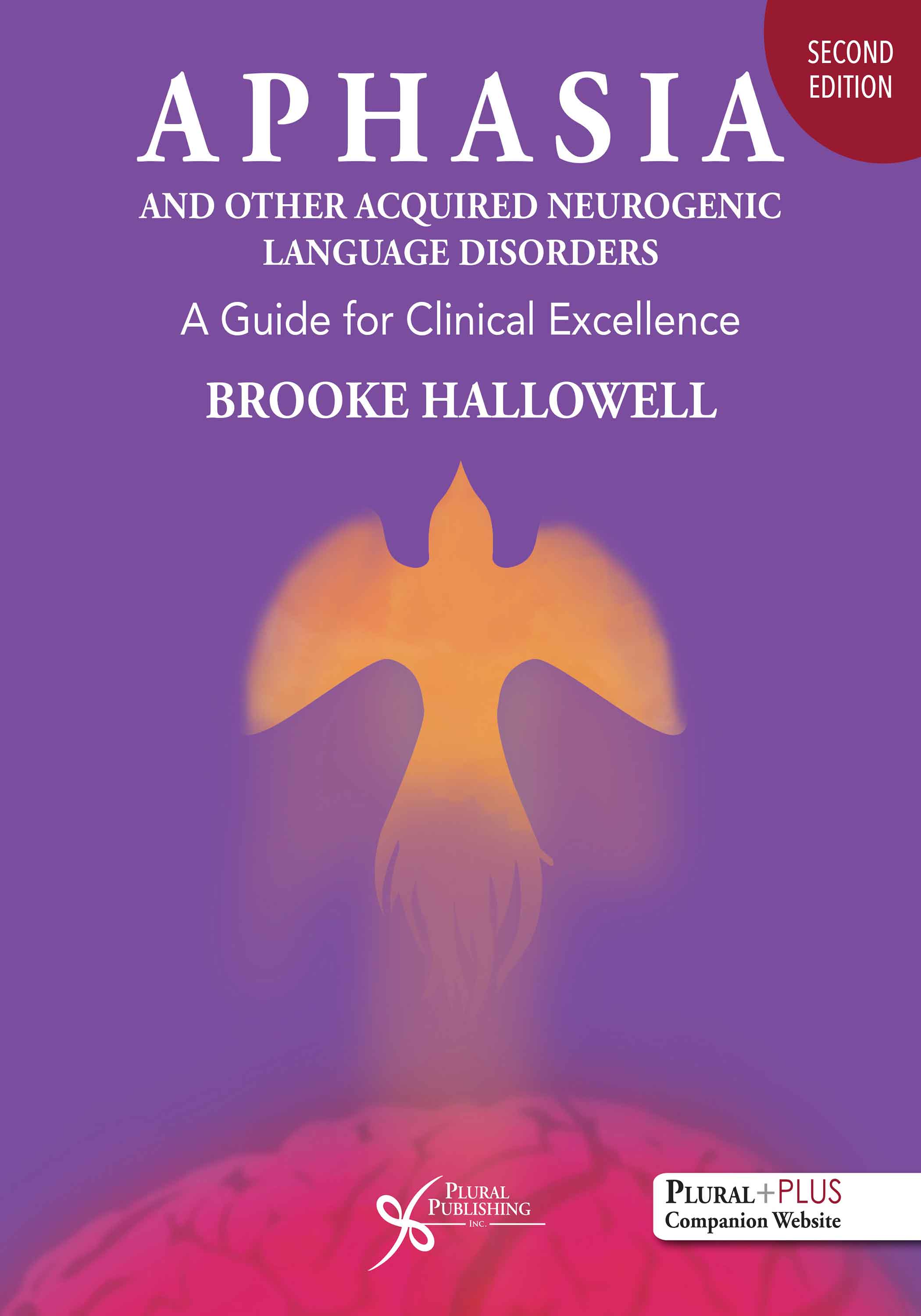
Aphasia and Other Acquired Neurogenic Language Disorders: A Guide for Clinical Excellence
Second Edition
Brooke Hallowell
Details: 629 pages, 2-Color with Full-Color Insert, Softcover, 8.5" x 11"
ISBN13: 978-1-63550-159-9
© 2023 | Available